

Kumbh Mela for Families and Groups
- Home
- Kumbh Mela for Families and Groups
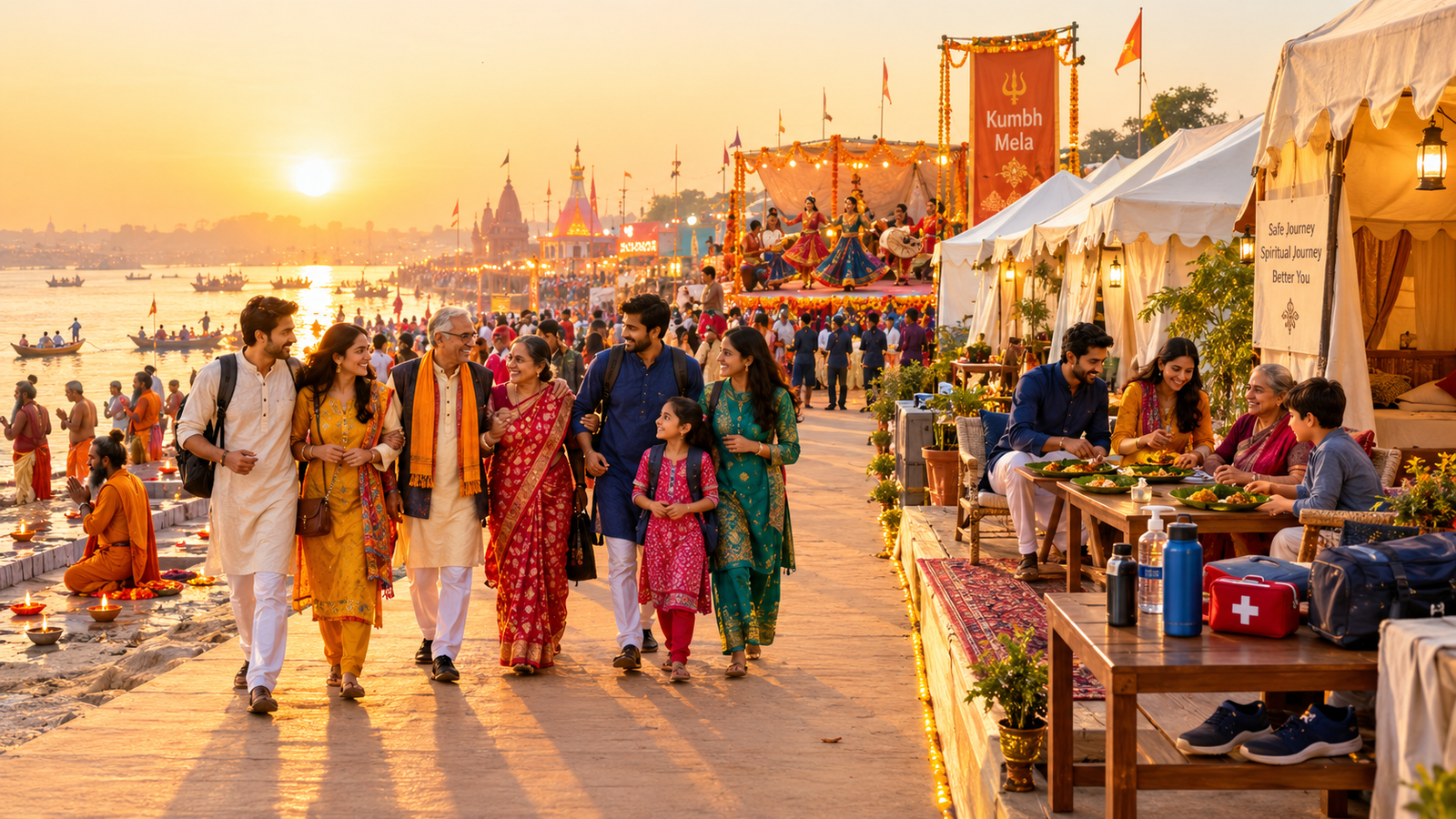

Kumbh Mela for Families and Groups
Kumbh Mela for Families and Groups: A Complete Planning Guide
The Kumbh Mela is one of the largest peaceful gatherings in the world. It brings together millions of people for a shared spiritual experience. Many families and groups now plan a Kumbh visit together, and with the right planning, the journey can be smooth, comfortable and memorable for every age group.
This guide explains how families and groups can plan a Kumbh Mela trip in a simple and organised way.
Why Kumbh Mela Works Well for Families and Groups
A Kumbh visit is not just a pilgrimage. It is a complete cultural experience. Families can take part in holy baths, listen to spiritual discourses, attend cultural events and explore local traditions together.
For groups, the experience becomes even better. Everyone can share responsibilities, support each other and enjoy the journey as a team. Children learn about Indian culture, while elders enjoy the spiritual atmosphere they may have waited years to experience.
Choosing the Right Kumbh to Visit
Kumbh Mela is held at four main places:
Prayagraj – the meeting point of the Ganga, Yamuna and the mythical Saraswati
Haridwar – on the banks of the Ganga
Nashik – on the banks of the Godavari
Ujjain – on the banks of the Shipra
The Kumbh rotates between these cities. Families and groups should first check which Kumbh is happening in the coming year, then plan travel and stay around that location.
Best Time to Plan Your Visit
The Mela runs for several weeks, but the crowd is largest on the main bathing dates (Shahi Snan days). Families with children or elders often prefer to arrive a few days before or after these peak dates. This gives a calmer experience and easier movement.
Planning early helps in many ways:
Better choice of accommodation
Easier train and flight bookings
Time to arrange group coordination
Less last-minute stress
Where to Stay During Kumbh Mela
Stay options during Kumbh Mela usually include:
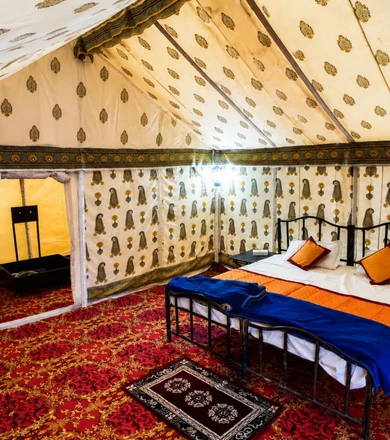
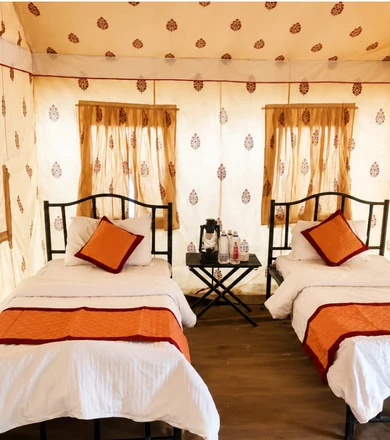
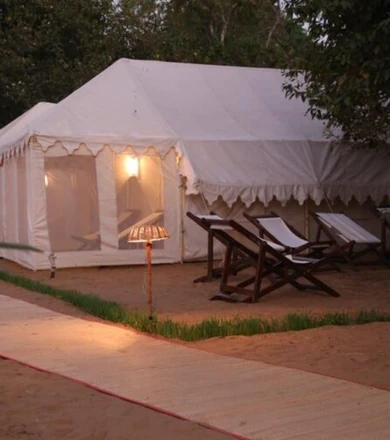
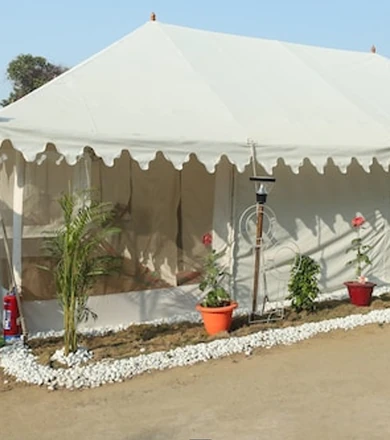
Tented camps – popular with families and groups
Guest houses and hotels – in nearby city areas
Dharamshalas and ashram stays – simple and community-based
Group camps – good for large families travelling together
Tented camps are often the preferred choice because they are close to the main Mela area, offer basic comforts and keep the group together in one place. When choosing a camp, look for clean drinking water, proper bedding, security, and easy access to the ghats.
You can explore family and group stay options at kumbhyatracamp.com.
How to Travel to the Kumbh
By train: Most Kumbh cities have railway stations with extra trains running during the Mela season. Book early.
By air: Nearby airports connect to major Indian cities. From the airport, taxis or shared vehicles take you to the Mela area.
By road: Buses and private vehicles are common. Parking zones are usually marked outside the main Mela area, and shuttle services operate from there.
For groups, booking a single vehicle for the whole team often keeps everyone together and makes movement simpler.
Packing Checklist for Families and Groups
A simple packing list makes a big difference:
Comfortable cotton clothes
Warm layers if travelling in winter
Slip-on footwear (easy to remove at ghats)
Towels and light blankets
Reusable water bottles
Basic medicines and first-aid kit
ID proofs for all members
Power bank and charger
Sun cap, scarf or hat
Small bag for personal valuables
For groups, it helps to assign one person to carry a common kit with medicines, snacks and emergency contacts.
Staying Safe and Comfortable Together
A few simple habits keep the group organised:
Fix a common meeting point in case someone gets separated
Keep children’s ID details in their pockets
Share phone numbers of all group members
Move in smaller groups during peak hours
Keep elders close and take regular rest breaks
Mela authorities also set up help desks, medical camps, lost-and-found centres and information booths across the area.
Food and Health Tips
Most Mela areas have satvik food stalls, community kitchens and clean eating options. Families usually prefer freshly cooked, simple meals.
A few useful habits:
Drink only filtered or packaged water
Eat freshly prepared food
Wash hands often
Carry oral rehydration salts
Avoid heavy meals before the holy bath
Activities for Children and Elders
For children:
Cultural performances and folk shows
Storytelling sessions
Boat rides on the river
Lights and decorations in the evening
For elders:
Spiritual discourses and kirtans
Quiet sitting areas near the ghats
Temple visits
Guided walks at a slow pace
Planning a relaxed daily schedule helps everyone enjoy the trip without getting tired.
Tips for Group Planning
Decide the number of members early
Choose one coordinator for bookings
Split tasks – travel, stay, food, health
Share a common itinerary with everyone
Keep buffer time for crowds and walking
Plan rest hours in the afternoon
Confirm return travel in advance
A Simple Daily Schedule
Early morning: Holy bath or ghat visit
Morning: Temple visit and breakfast
Afternoon: Rest at the camp
Evening: Cultural programmes and aarti
Night: Light dinner and early sleep
This rhythm suits most families and groups.
Frequently Asked Questions(FAQs)
Q1. Is Kumbh Mela suitable for young children?
Yes, many families visit with children. Keeping a slow pace, carrying essentials and staying close to the camp area makes the visit comfortable.
Q2. Can elders join the Kumbh Mela trip?
Yes. Elders commonly visit the Kumbh. Wheelchairs, resting zones and medical help are generally available in the Mela area.
Q3. How early should a family plan the trip?
Planning a few months in advance helps with stay, travel and group coordination.
Q4. What type of stay is best for groups?
Tented camps and group accommodations are popular because they keep everyone together and are located near the main Mela area.
Q5. How many days are enough for a Kumbh visit?
Most families plan between three and five days, which allows time for the holy bath, temple visits and cultural events.