

Kumbh Mela Nashik: Tent City vs Hotel vs Dharamshala
- Home
- Kumbh Mela Nashik: Tent City vs Hotel vs Dharamshala
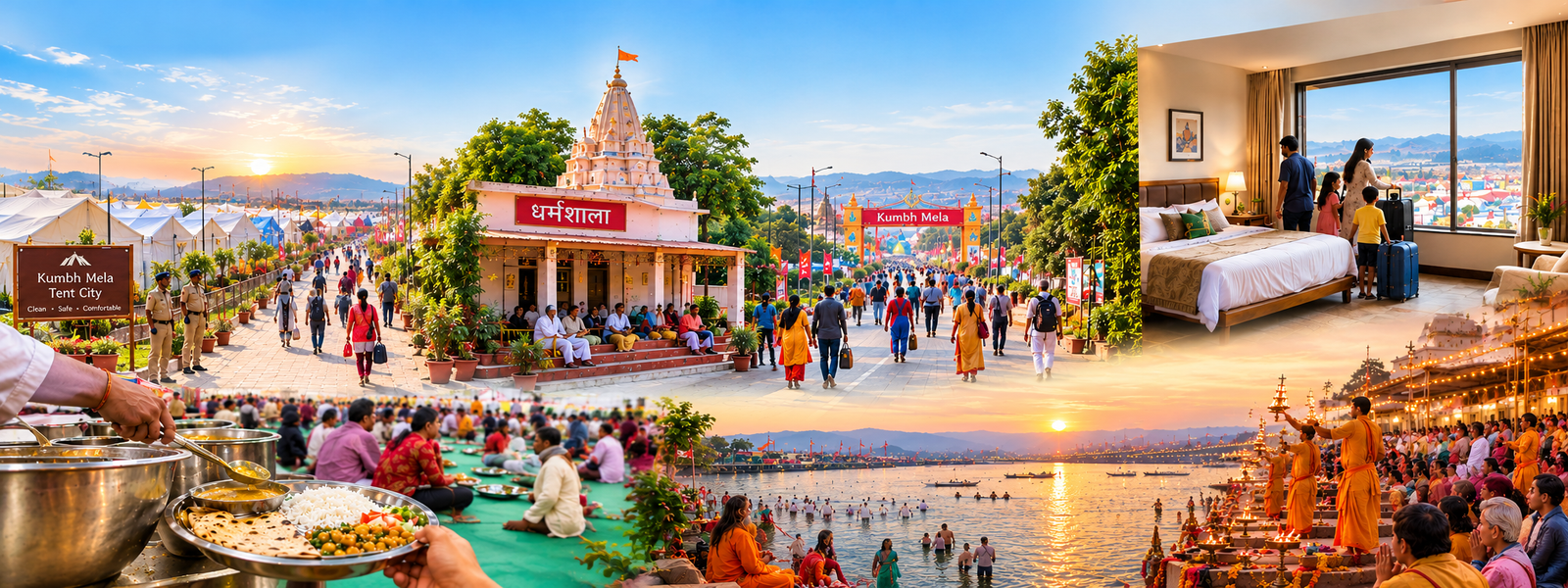

Kumbh Mela Nashik: Tent City vs Hotel vs Dharamshala
What to See and Do at Kumbh Mela – A Complete Checklist
Kumbh Mela is one of the largest spiritual gatherings in the world. It brings together millions of pilgrims, saints, and visitors who come to take a holy dip in sacred rivers. The event is filled with devotion, traditions, and cultural experiences. If you are planning to visit Kumbh Mela, this checklist will help you understand what to see and do during your journey. The Kumbh Mela in Nashik and Trimbakeshwar offers a unique chance to witness ancient rituals, meet spiritual leaders, and feel the deep energy of faith. A well-planned visit makes the experience smooth and memorable. Many pilgrims choose to stay in comfortable camps near the Mela grounds to enjoy the event without worry. With the right preparation, you can fully immerse yourself in the spiritual atmosphere of Kumbh Mela.
Kumbh Mela is a major spiritual event attracting millions of pilgrims
It offers a mix of rituals, culture, and devotion
Planning ahead helps you enjoy the experience peacefully
Staying near the Mela grounds makes participation easier
The Sacred Shahi Snan Rituals
Shahi Snan, also known as the royal bath, is the most important ritual of Kumbh Mela. During this event, saints and pilgrims take a holy dip in the sacred rivers. The Shahi Snan happens on specific dates and draws huge crowds. In Nashik, the first Shahi Snan takes place at Ramkund on Ashada Somvati Amavasya. The second and third Shahi Snan also happen at Nashik. These baths are believed to cleanse sins and bring spiritual merit. Witnessing the Shahi Snan is a powerful experience. The chants, the devotion, and the energy of the crowd create an unforgettable atmosphere. Many camps offer guided support to help pilgrims participate safely in these rituals.
Shahi Snan is the main ritual of Kumbh Mela
It happens on specific dates at Ramkund in Nashik
Taking a holy dip is believed to bring spiritual benefits
Guided support helps pilgrims participate safely
Holy Dips at Ramkund and Trimbakeshwar
Ramkund in Nashik and Trimbakeshwar are two of the most sacred places during Kumbh Mela. Ramkund is a holy bathing ghat on the Godavari River. It is believed that Lord Rama bathed here during his exile. Trimbakeshwar is home to one of the twelve Jyotirlingas and is the source of the Godavari River. Pilgrims visit both places to take holy dips and offer prayers. The Kushavarta Kund at Trimbakeshwar is especially important for rituals. These places are central to the Kumbh Mela experience. Visiting them allows pilgrims to connect with the deep spiritual history of the region.
Ramkund is a sacred bathing ghat on the Godavari River
Trimbakeshwar houses a Jyotirlinga and the Godavari source
Kushavarta Kund is important for holy rituals
Both places are central to the Kumbh pilgrimage
Religious Ceremonies and Pujas
Kumbh Mela is filled with religious ceremonies and pujas. Pilgrims can participate in Ganga Arti, Abhishek, and Pind Daan. These rituals are performed by experienced pandits. Hawan and pujan are also common during the Mela. Many camps offer daily religious services for visitors. Taking part in these ceremonies brings a sense of peace and devotion. Daan or donation to Brahmins is also considered auspicious during Kumbh. These activities help pilgrims deepen their spiritual connection. The rituals follow ancient traditions and are performed with great care.
Ganga Arti and Abhishek are common rituals at Kumbh
Pind Daan and Teerth Shrad are performed for ancestors
Hawan and pujan are offered daily in many camps
Daan or donation is considered auspicious during Kumbh
Meeting Saints and Spiritual Leaders
One of the most unique aspects of Kumbh Mela is the presence of saints and spiritual leaders. Sadhus, sanyasis, and gurus from different traditions gather at the Mela. Many of them live in camps or akharas. Visitors can meet them, listen to their teachings, and seek blessings. The akharas are organized groups of ascetics with their own traditions. Watching the sadhus perform their rituals is a fascinating experience. Their dedication and simplicity inspire many pilgrims. Meeting spiritual leaders can bring clarity and peace to the mind. It is a rare opportunity to connect with learned souls.
Saints and sadhus from various traditions attend Kumbh Mela
Akharas are camps of ascetics with unique traditions
Visitors can seek blessings and listen to teachings
Meeting spiritual leaders brings inspiration and peace
Cultural Performances and Processions
Kumbh Mela is not just about rituals; it is also a celebration of culture. The event features processions, music, and dance performances. The Peshwai procession marks the arrival of saints and akharas. It is a grand spectacle with elephants, horses, and bands. Cultural programs showcase traditional art forms from different regions. Bhajans and kirtans fill the air with devotion. These performances add color and joy to the spiritual gathering. Pilgrims can enjoy the cultural richness while participating in the Mela. The blend of devotion and culture makes Kumbh Mela truly special.
Peshwai procession marks the arrival of saints and akharas
Cultural programs feature traditional music and dance
Bhajans and kirtans create a devotional atmosphere
The event blends spirituality with cultural celebration
Exploring Local Markets and Food
Kumbh Mela also offers a chance to explore local markets and food. Vendors set up stalls selling religious items, clothes, and souvenirs. Pilgrims can buy rudraksha, idols, and puja items. The food stalls serve simple, satvik meals. Many camps provide satvik meals as part of their services. Trying local food adds to the experience. The markets are lively and colorful. Visitors can interact with locals and learn about the region. Shopping for spiritual items is a common activity during Kumbh.
Local markets sell religious items and souvenirs
Satvik meals are available in many camps and stalls
Shopping for rudraksha and puja items is popular
Exploring markets adds a cultural dimension to the visit
Safety and Comfort During Kumbh
Safety and comfort are important during Kumbh Mela. The event attracts huge crowds, so it is wise to stay organized. Many camps offer safe and comfortable stays with essential facilities. These camps provide 24/7 support for pilgrims. Staying near the Mela grounds reduces travel stress. It is also helpful to follow the guidance of local authorities. Wearing comfortable clothes and staying hydrated is advised. Planning your visit with a reliable camp ensures a smooth experience. Comfortable accommodation allows pilgrims to focus on their spiritual journey.
Staying in organized camps ensures safety and comfort
24/7 support helps pilgrims during the event
Following local guidance and staying hydrated is important
Comfortable stays allow focus on spiritual activities
Planning Your Kumbh Visit
Planning your Kumbh visit well in advance is always helpful. The event has specific dates for Shahi Snan and other rituals. Booking accommodation early ensures a good stay. Many camps offer packages that include meals and guide services. It is good to check the schedule and plan your activities. Travel arrangements should also be made in advance. Understanding the layout of the Mela grounds helps navigate the crowds. A well-planned visit makes the experience more fulfilling. Pilgrims can then enjoy the spiritual and cultural richness of Kumbh Mela without stress.
Check the schedule for Shahi Snan and rituals
Book accommodation and travel in advance
Choose camps that offer meals and guide services
Plan activities to make the most of your visit
Conclusion
Kumbh Mela is a once-in-a-lifetime experience for many pilgrims. It offers a unique blend of spirituality, culture, and devotion. From the sacred Shahi Snan to meeting saints and exploring markets, there is so much to see and do. Planning your visit with comfort and safety in mind makes the journey memorable. Staying in a well-organized camp near the Mela grounds helps pilgrims focus on their spiritual goals. The Kumbh Mela in Nashik and Trimbakeshwar welcomes everyone with open arms. Whether you seek blessings, cultural experiences, or peaceful moments, Kumbh Mela has something for every pilgrim.
Frequently Asked Questions(FAQs)
Q1: What are the main stay options for Kumbh Mela Nashik?
The main options are Tent City camps, Hotels, and Dharamshalas. Each offers a different experience based on comfort, budget, and proximity to the Mela grounds.
Q2: What facilities are usually available in a Tent City camp?
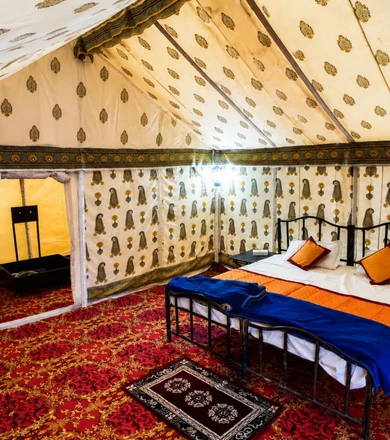
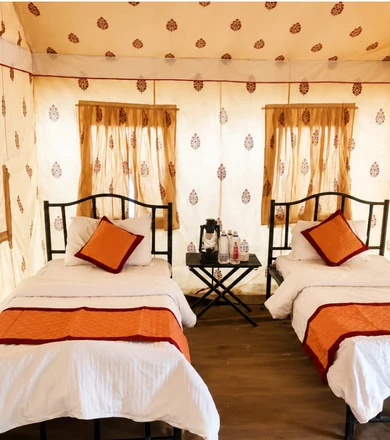
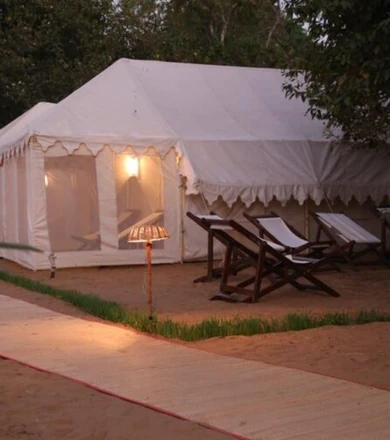
Tent cities often provide cottages, Satvik meals, security, and 24/7 pilgrim support. Many also help with Shahi Snan arrangements and local travel.
Q3: Are hotels a good choice for families during Kumbh Mela?
Yes, hotels offer private rooms, attached bathrooms, and familiar amenities. Families often prefer hotels for personal space and a quiet stay after visiting the Mela.
Q4: What kind of stay does a Dharamshala provide?
A Dharamshala offers simple, clean, and budget-friendly rooms, usually near temples. It is a traditional option focused on a calm and spiritual environment.
Q5: How close are Tent Cities to the Kumbh Mela grounds?
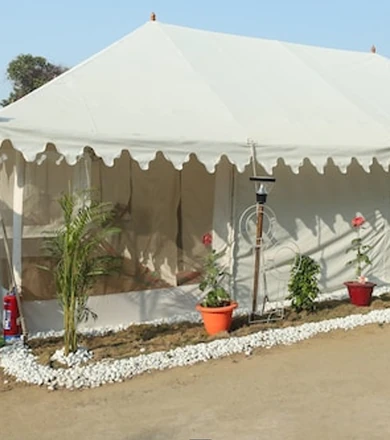
Tent cities are generally built close to the Mela grounds and sacred sites like Ramkund. This makes walking and daily visits more convenient for pilgrims.
Q6. What food options are available in these stays?
Tent cities often serve Satvik meals, hotels have restaurants or nearby eateries, and Dharamshalas usually provide simple vegetarian food. You can choose based on your food preferences.